
Villages and heritage
Volcanic stone, shaped by hands
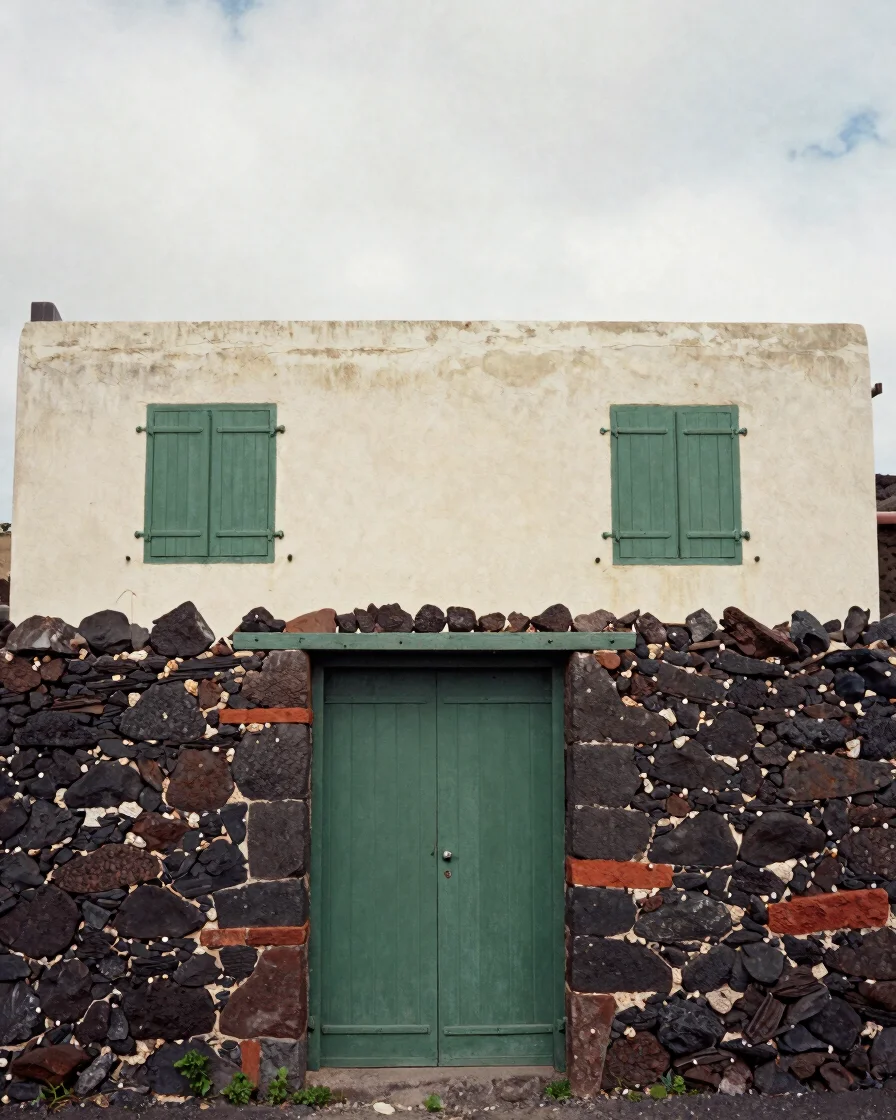
Dark andesite from the region's old volcanoes gives Auvergne its distinctive basilicas and village houses. Read how this stone, the landscape, and local trades have shaped the places people still live in today.
Romanesque architecture
Churches built from local stone

Basilicas
Thick walls and rounded arches
The masonry of these churches shows how local stone was cut and laid. Look closely at joints, courses, and the weathering of the apse to read the building's history.
Village centers
Old streets, preserved fabric
In many villages, the historic centre remains a dense cluster of stone houses following the terrain. The layout tells of wind, slope, and the need for shared shelter.

Savoir-faire
Trades that lasted in the mountains
For centuries, regional workshops made cutlery, lace, leather goods, copper objects, and woodwork. These trades were tied to village life and to the materials available in the mountains.
Our reporting follows what can be seen and checked: workshop tools, surviving objects, and the accounts of people who still practise or remember these crafts.
