
Gastronomy
Mountain cuisine, shaped by volcanic soil
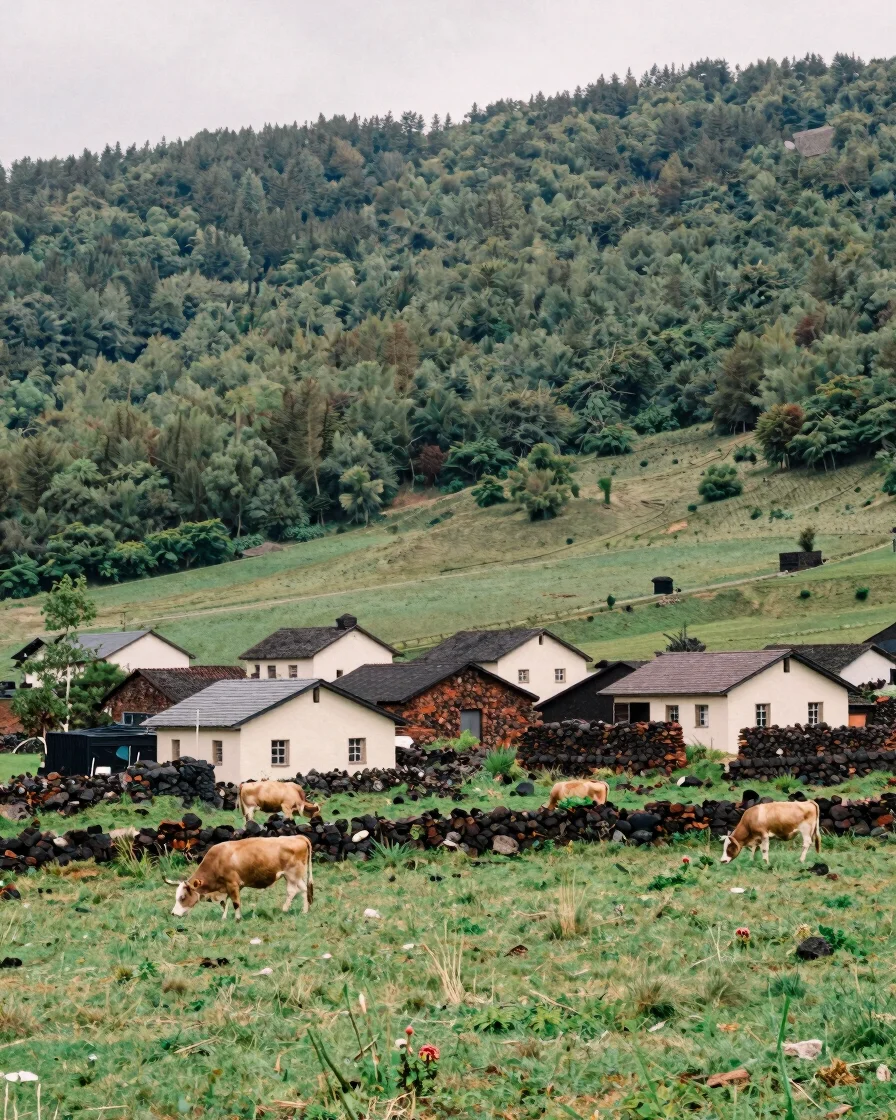
Auvergne's food is a living tradition. Dairy pastures, cured meats, lentils, and chestnuts have sustained village kitchens for generations, shaped by altitude, cool climate, and patient seasons.
Mountain pantry
Staples from the high country
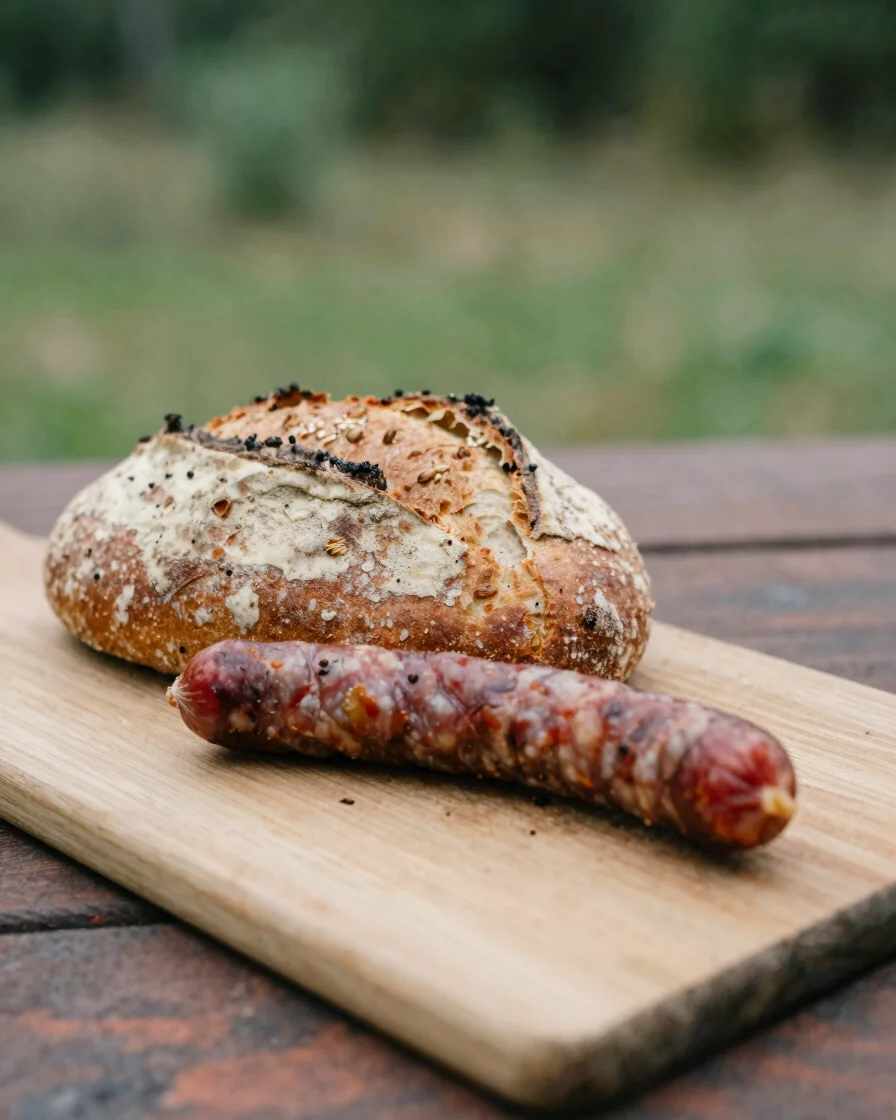
Cured sausages, dried lentils from the volcanic plateau, and chestnuts gathered in autumn formed the backbone of farmhouse cooking. Each preserved in ways that suited long winters and the steep, cool land around them.
Many of these methods were passed from household to household rather than written down, and they still shape how local cooks plan a meal around what the land provides.
Village life
Markets and seasonal produce
Weekly market
Stalls that connect producers and kitchens
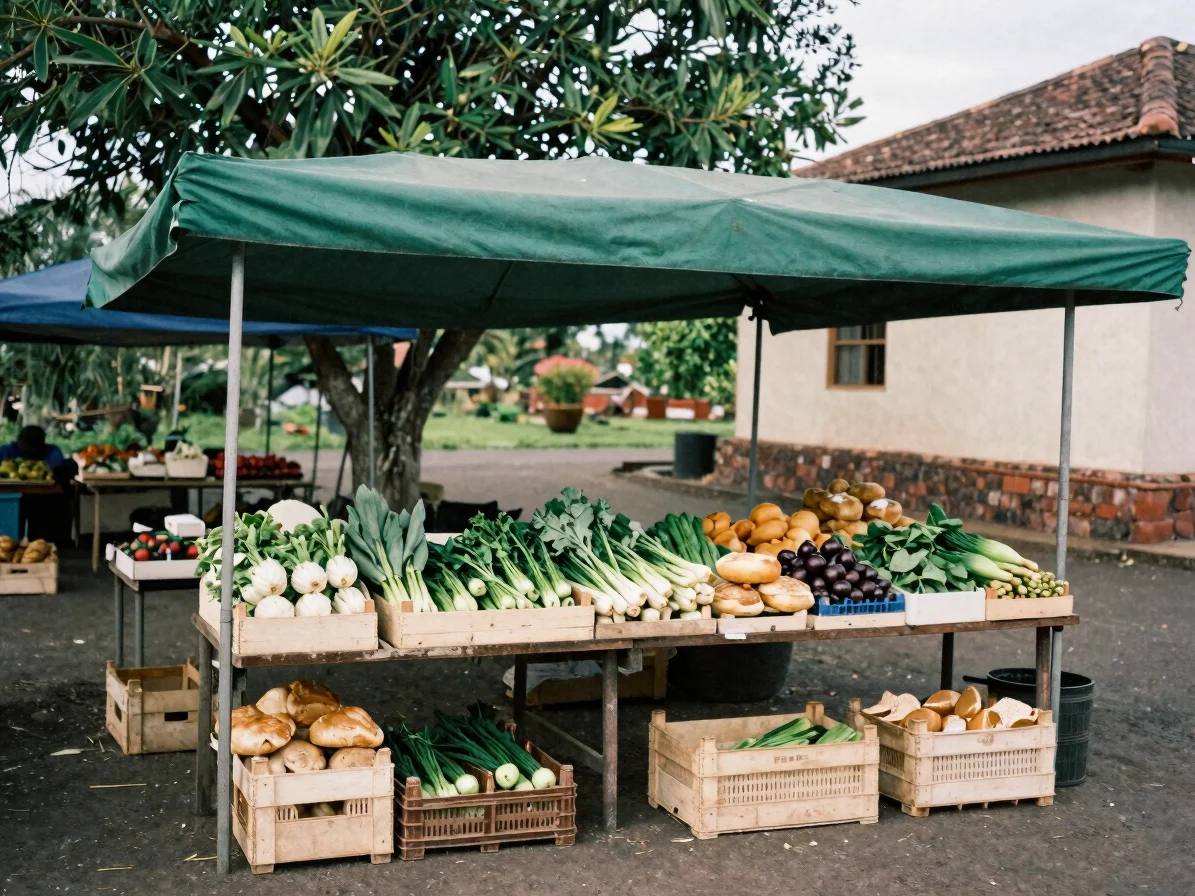
Weekly village markets remain a place where smallholder producers meet the households who buy from them. Vegetables, cheeses, eggs, and bread change with the season, and the conversations around the stalls are part of the exchange.
Across the seasons
Eating with the calendar
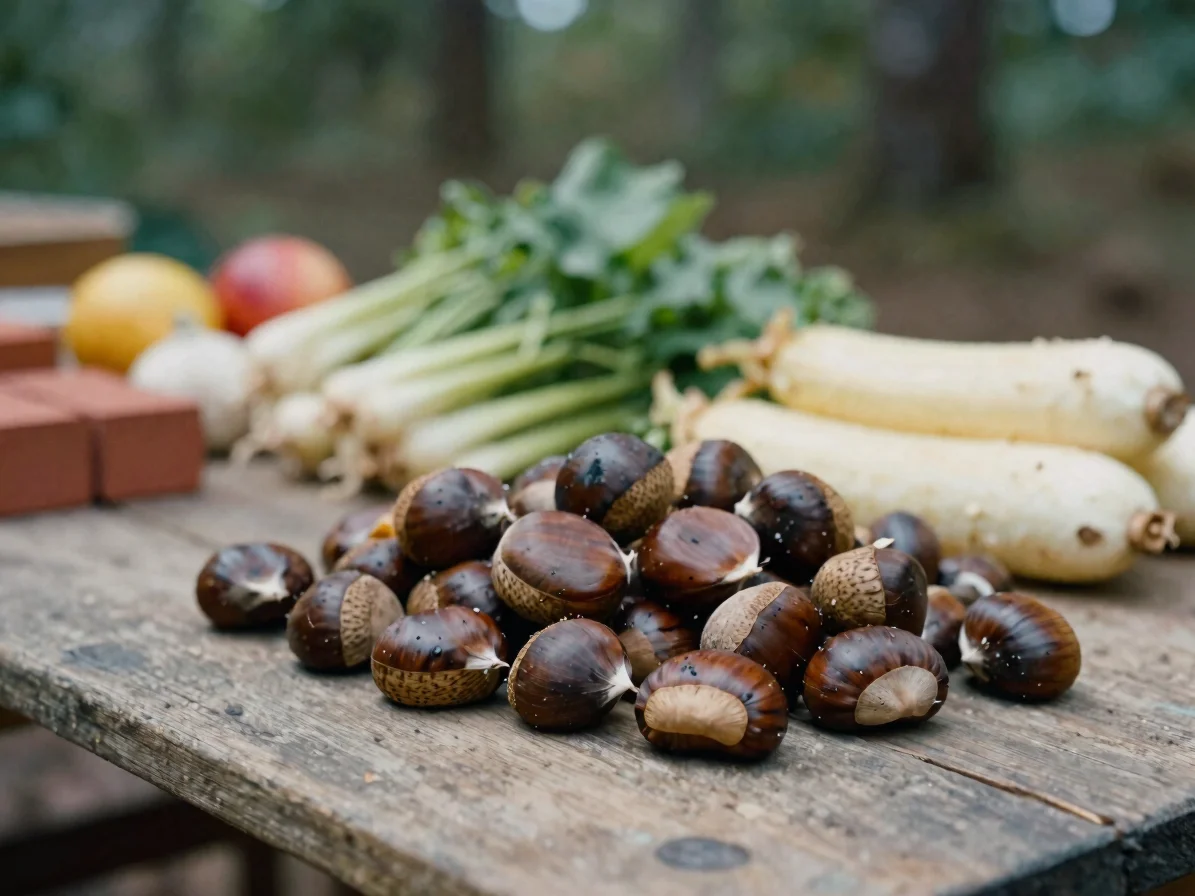
Spring brings young greens and fresh dairy, summer brings garden produce, autumn brings chestnuts and mushrooms, and winter relies on preserved meats and pulses. Cooks in the region still plan their tables around these rhythms.